Jewelry care
Keeping diamonds and gold bright for decades
Diamond is the hardest material you own, but the gold around it is soft, and the oils on your skin dull a stone faster than anything else. Care is mostly habit: a few minutes a month and a few things never to do.
Everything below applies to lab-grown and mined diamonds alike; they are the same material.
Everyday wear
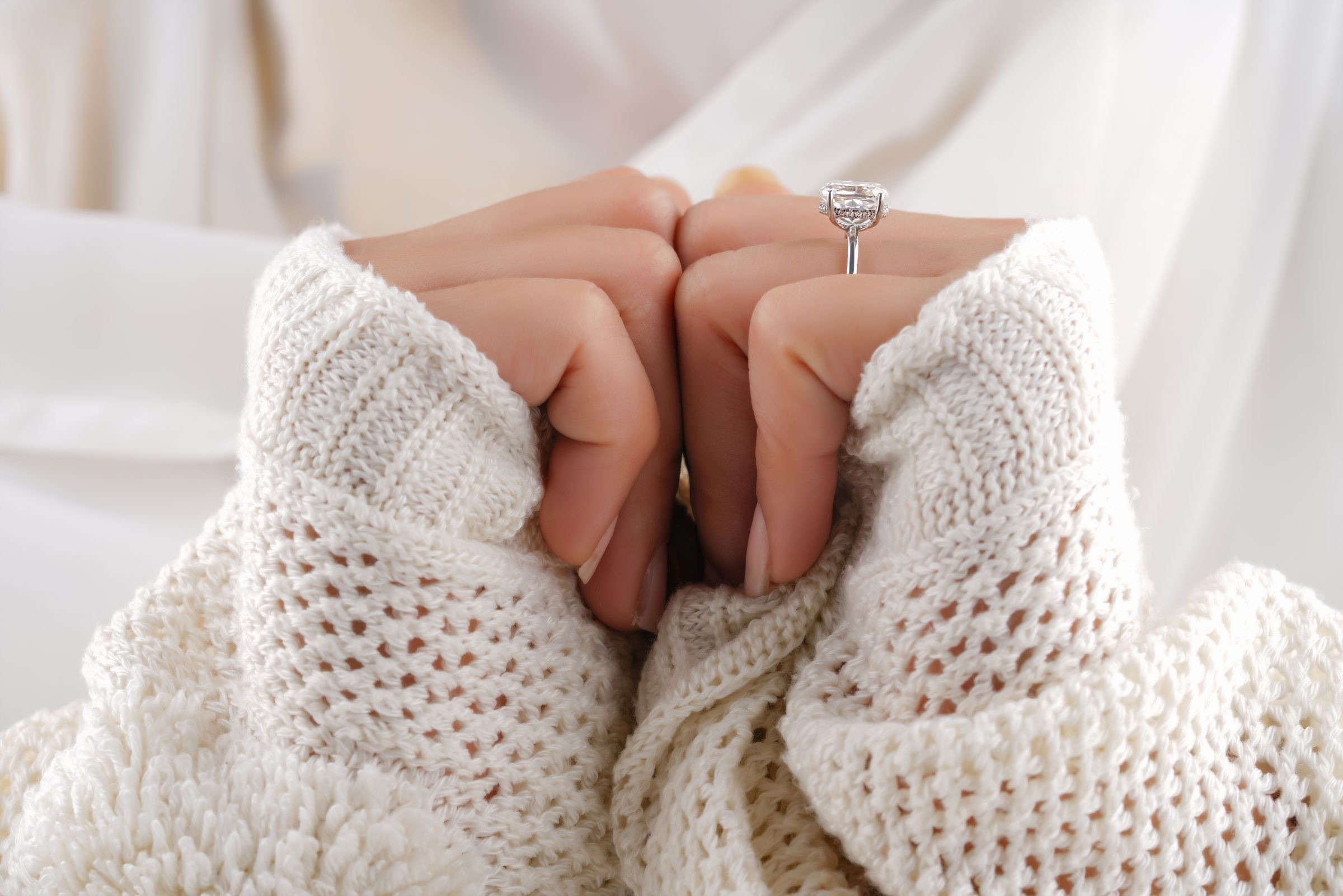
Put jewelry on last, after lotion, perfume and hairspray, and take it off first. Rings come off for the gym, the garden, the pool and the sink: knocks loosen prongs, chlorine attacks gold alloys, and soap builds a film under the stone.
Diamonds scratch other diamonds, so keep pieces from rubbing in a bag or a drawer.
Cleaning at home
Once a month is enough for a ring worn daily; studs and pendants need it less often.
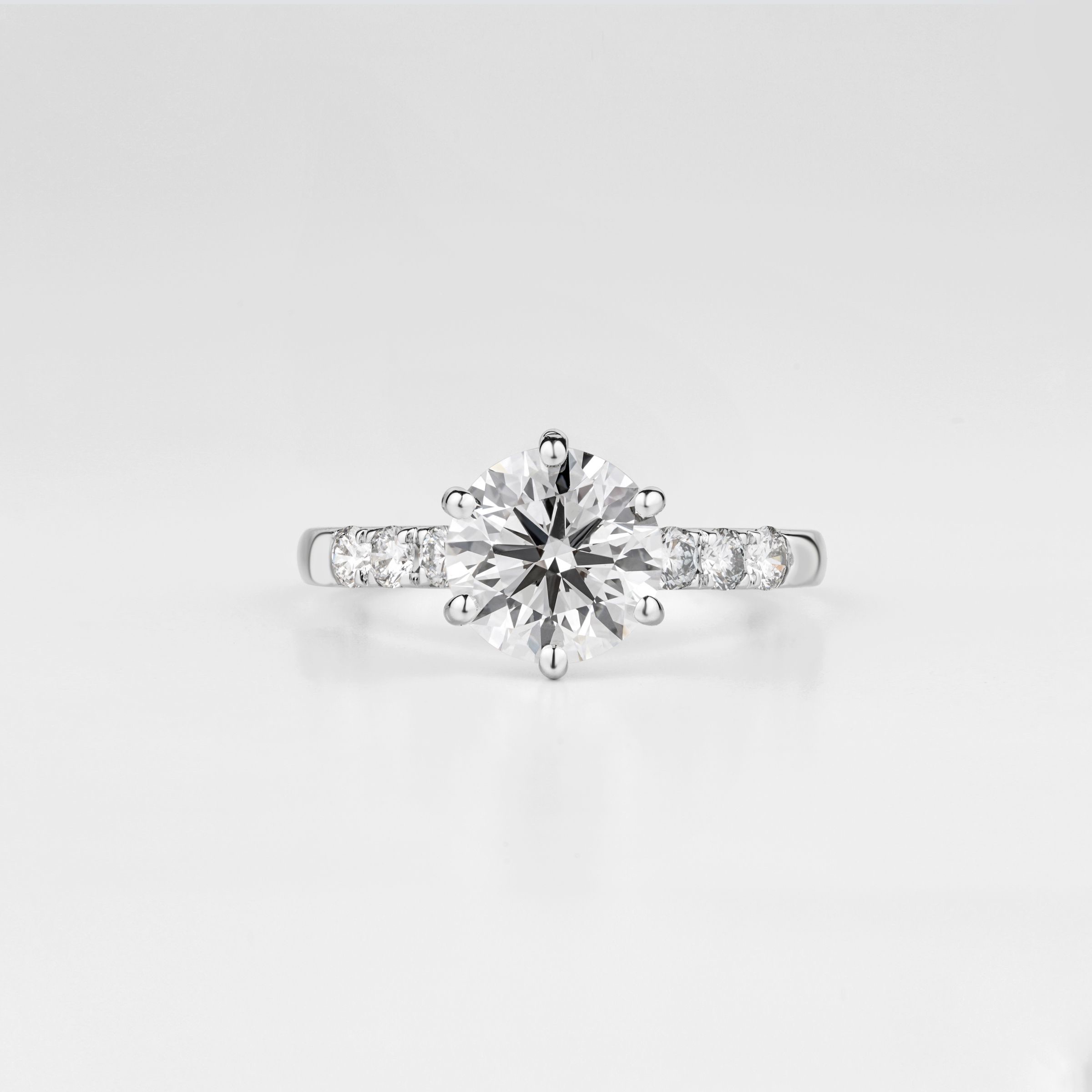
- Soak for ten minutes in warm water with a drop of plain dish soap.
- Brush gently with a soft toothbrush, especially under the stone where the light enters.
- Rinse in a bowl, not over an open drain, and dry with a lint-free cloth.
- Skip ultrasonic cleaners for pieces with small stones or any gemstone other than diamond.
What to avoid
A short list, because the mistakes are few and all avoidable.
- Bleach, chlorine and strong cleaners: they pit and discolor gold.
- Toothpaste and baking soda: abrasive on metal and on the polish of the setting.
- Hot tubs and saunas: heat loosens settings over time.
- Sleeping in earrings: posts bend and backs loosen.
Storage
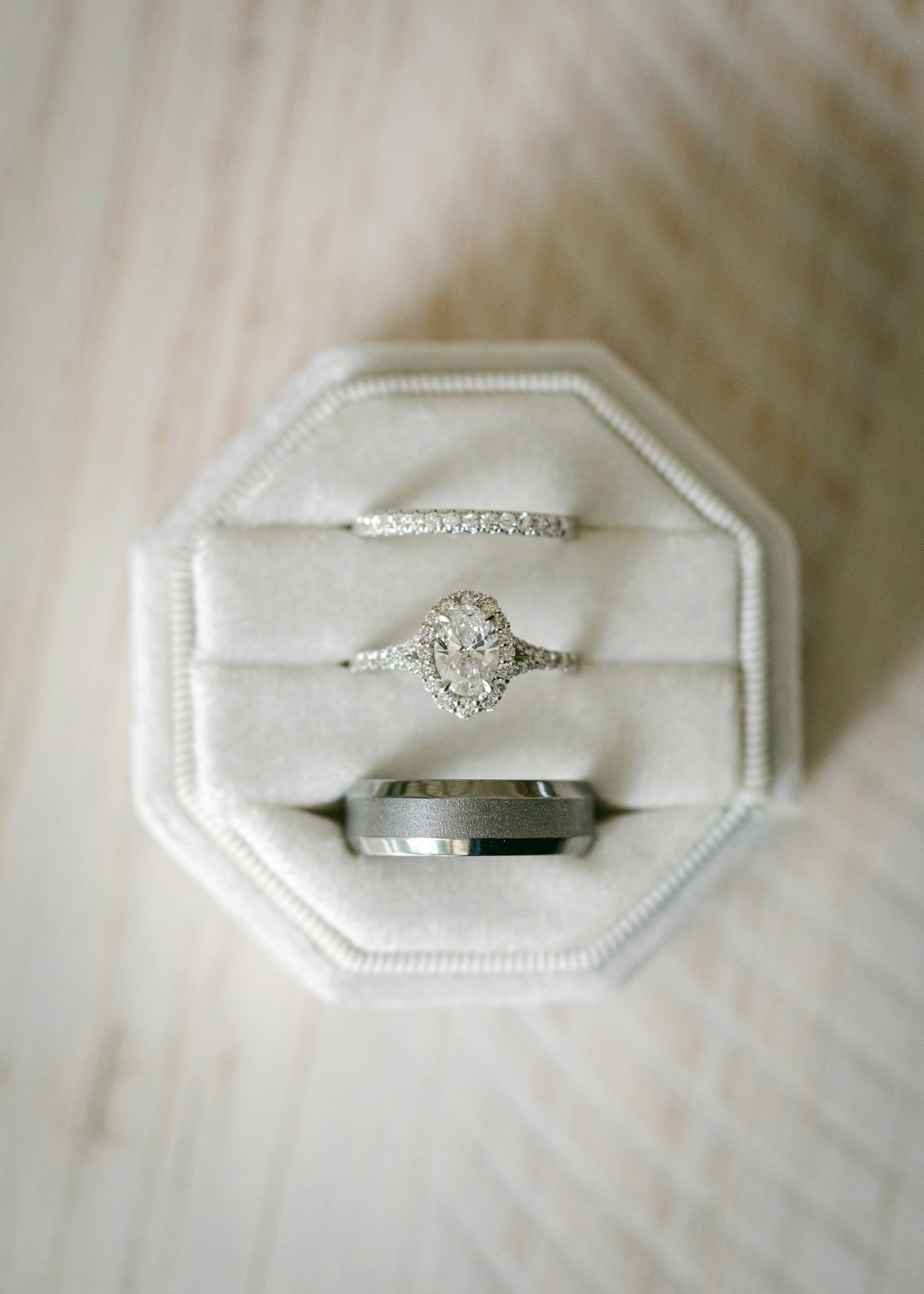
Store each piece on its own: the pouch it arrived in, or a lined box with separate slots. Chains hang or lie flat with the clasp done up so they do not knot. Keep everything away from direct sun and bathroom steam.
When to bring it in
Once a year, or sooner if a stone rattles, a prong catches on fabric, or a clasp no longer snaps. We check settings, tighten prongs and polish at no charge for pieces bought here. Rhodium on white gold wears to a warmer tone after a year or two of daily wear; replating takes a few days.