Lab-grown and mined diamonds
The same stone, two origins, one honest comparison
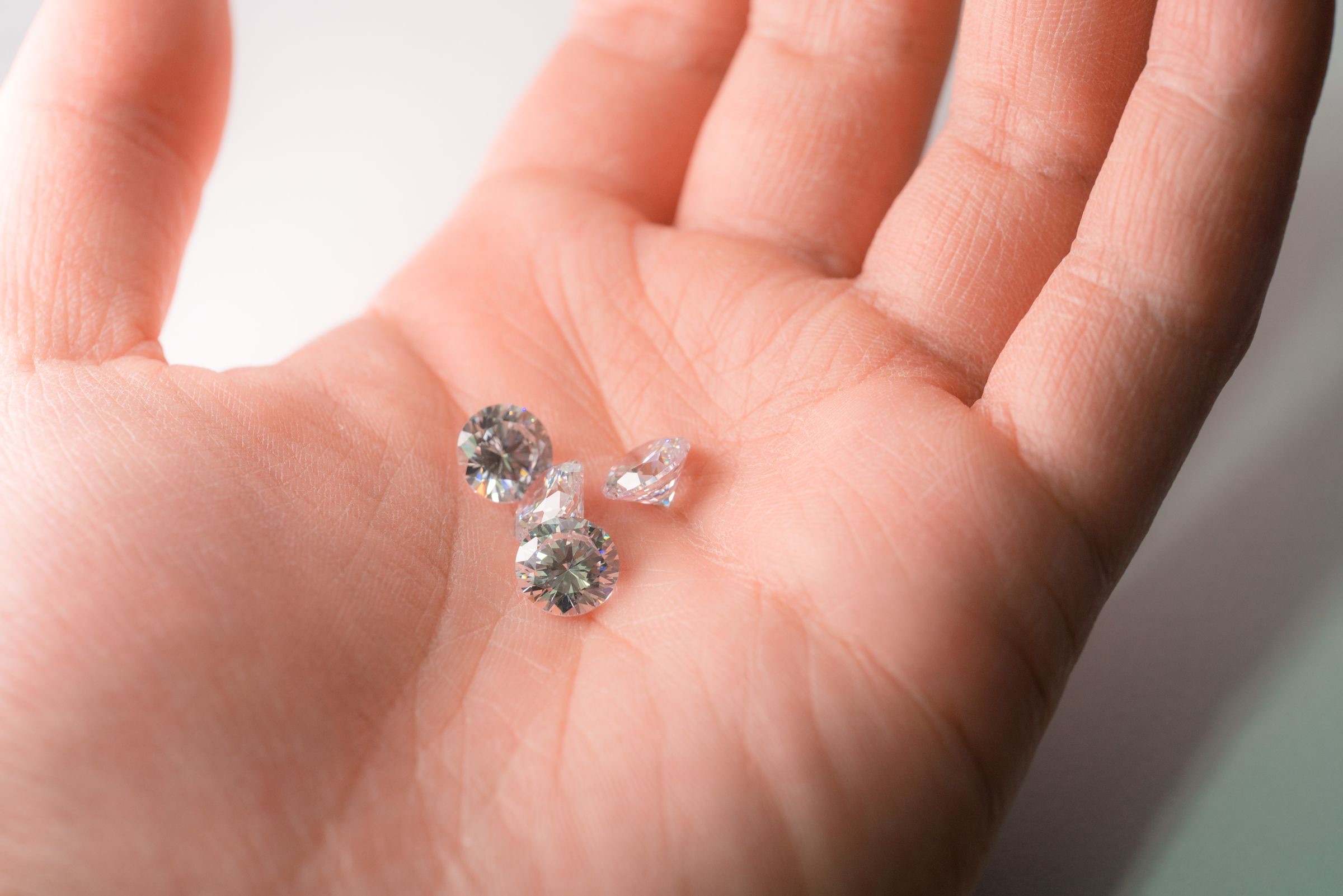
A lab-grown diamond is a diamond: the same carbon, the same crystal, the same hardness and the same fire. It is graded on the same 4Cs by the same laboratories. What differs is where it formed, how long that took, and what it costs.
Most of our catalogue is lab-grown. This guide explains why, and when a mined stone is still the right choice.
What is the same
Chemically and optically there is no difference a jeweler can see. A grader needs laboratory equipment to tell the two apart, and the certificate states the origin. Both come in every shape, every color grade and every clarity grade.
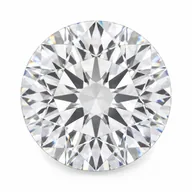 round
round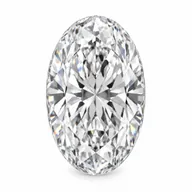 oval
oval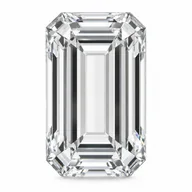 emerald
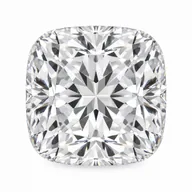 cushion
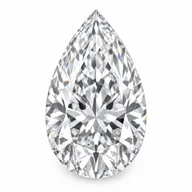 pear
pear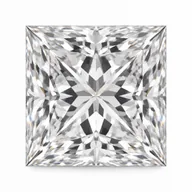 princess
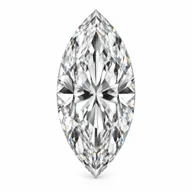 marquise
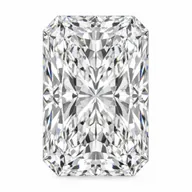 radiant
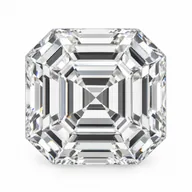 asscher
How a stone is grown
Two methods produce gem-quality crystals; both start from a sliver of existing diamond.
- HPHT (high pressure, high temperature) recreates the conditions deep in the earth around a seed crystal, over a few weeks.
- CVD (chemical vapor deposition) builds the crystal layer by layer from a carbon-rich gas in a vacuum chamber.
- Either way the rough is then cut and polished by the same hands and tools as a mined stone.
Grading and certificates
Our lab-grown stones are graded by IGI or GIA and the report number is printed on the product page. The grade bands you see in the catalogue, GH SI, EF VS and DE VVS, mean exactly the same for both origins.
Price and value
A lab-grown stone costs a fraction of a mined stone of the same grade, and the gap widens with size. That is why a one-carat solitaire sits where a half-carat used to. Mined diamonds hold a resale market that lab-grown stones do not; if resale matters to you, that is the real difference to weigh.
Which to choose
For a piece you will wear, choose by cut, size and setting and let origin follow the budget. For an heirloom bought partly as a store of value, a mined stone with a GIA report is the traditional choice, and we can source one on request.